Family Worship Guide for March 29, 2026
Unit 10, Session 3: Saul Disobeyed God (1 Samuel 14–15)
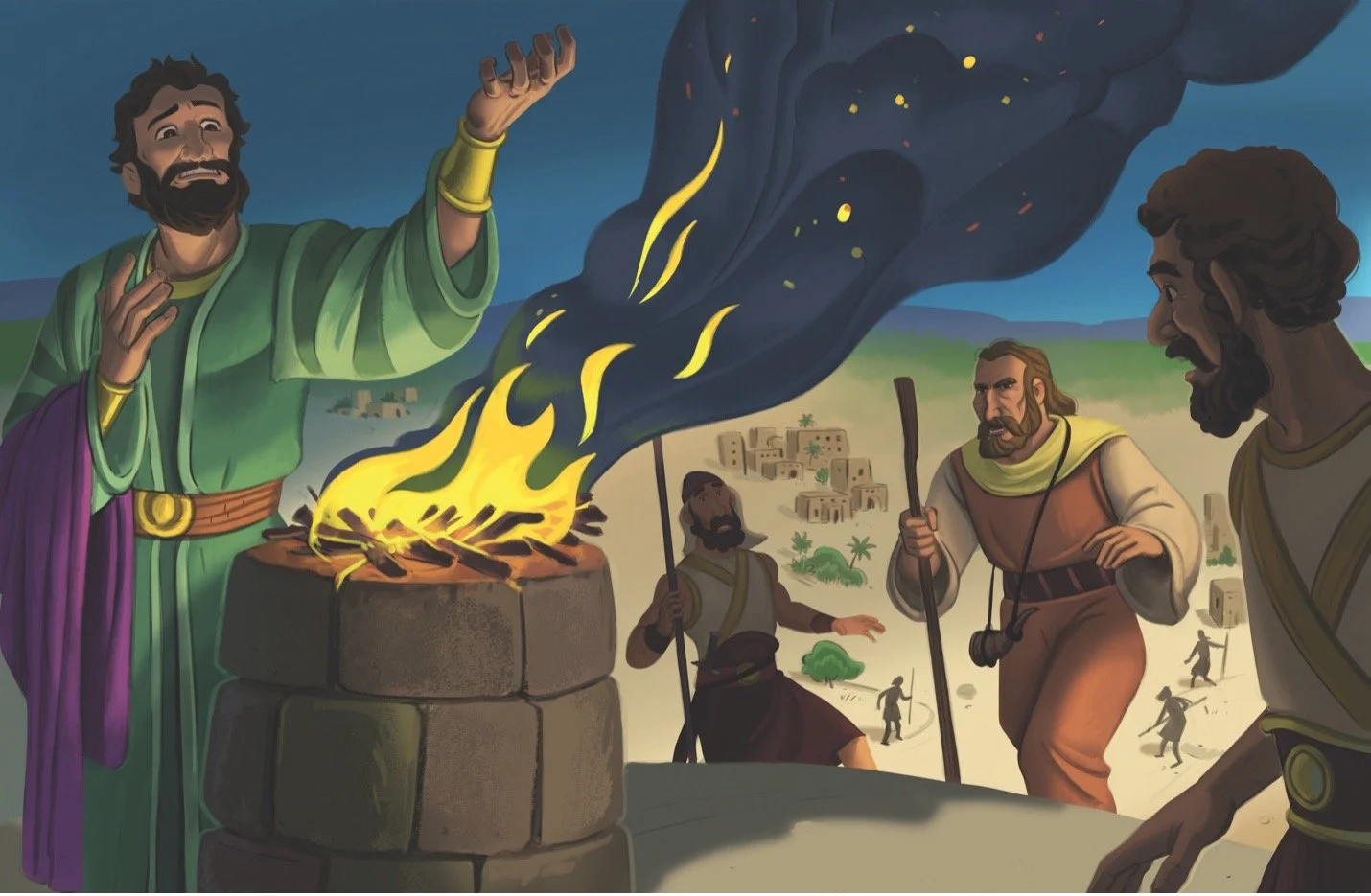
Rather than follow the instructions of the Lord, King Saul relied on his own strength, wisdom, and timeline to achieve success. God had promised to extend favor to Saul on the condition that he remain obedient to His commands. The devastating impact of King Saul’s disobedience, however, and its effect on his legacy is seen in 1 Samuel 14—15. Through the disobedience of Saul, we see our need for the sinless, sacrificial Savior—Jesus.
How did Saul’s disobedience impact God’s people? How did Jesus show His desire to always obey His Father?
Saul’s hasty decisions in leadership led the Israelites to pursue uncleanliness and irreverence toward the Lord. Saul placed his troops under a strict oath not to eat until the battle was over. The rashness of his oath led to the attempted execution of his son, Jonathan, and the sin of consuming impure food. Later, Saul led his men to disobey God’s commands by not completely destroying the Amalekites and everything they had. Saul led his people down a path of destruction, not seeming to care how his disobedience impacted the nation he led.
While Saul, led by pride and impulsiveness, was willing to execute his son to make an example of him, we see a stark contrast between his actions and God’s love for us. Jesus, God in flesh, laid down His own life to make redemption possible for those who trust in Him.
Consider Saul’s disobedience, which was motivated by foolishness and selfish ambition. Now, reflect on the redemption we receive through Christ’s pure and perfect obedience. While Saul’s poor leadership and disobedience led to God rejecting him as king, the perfect King Jesus leads us toward redemption and forgiveness of sin. Lead the children in your care to see the reward of obedience to God—yet to see with even greater clarity, the gift of grace we don’t deserve through Christ’s sacrificial love.
